
Part 4: Awe and Reflection: Cultivating a Contemplative Gaze on Creation

Seeing the Meaning Beyond the Form
This series has explored the signs of God in the cosmos and in life. The final and most crucial part of this journey is learning how to look at the world with a contemplative gaze, a practice the Risale-i Nur calls tafakkur, or spiritual reflection. This means learning to see creation not for its own sake, but as a sign pointing to its Creator. It is the difference between admiring a painting for its colors and appreciating it as a manifestation of the artist’s skill and genius.
The Contemplative Gaze (Mana-i Harfi)
Said Nursi explains that when we look at a beautiful flower and say, “How beautiful it is,” we are seeing it in itself. But when we say, “How beautifully it has been made,” we connect the art to the Artist. This second way of seeing is the key to a vibrant faith. It transforms the universe from a vast, empty space into a collection of missives from our Creator.
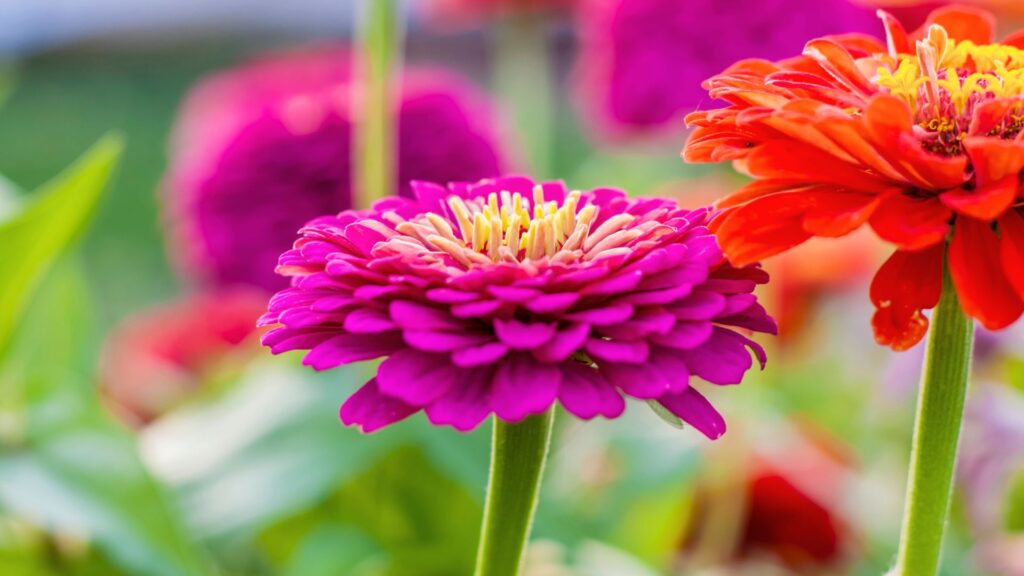
This perspective offers profound benefits for our spiritual lives:
Strengthens Faith: By regularly reflecting on the wisdom and beauty in the world around us, our faith (iman) is constantly renewed and fortified against doubt. The world becomes a book filled with endless proofs of God’s existence and attributes.
Provides Solace and Companionship: A person who sees the world this way is never truly alone. Every creature becomes a friend, and every event becomes a meaningful communication from a Merciful Lord. This perspective replaces feelings of loneliness and anxiety with a sense of peace and companionship.
Finds the Eternal in the Transient: This world and everything in it is temporary. Flowers fade, and life is fleeting. However, by seeing them as mirrors reflecting God’s eternal names and attributes, we find a connection to permanence. The beauty of the flower points to the Everlasting Beauty of its Maker.
Cultivating this gaze is a conscious practice. It means pausing to see the wisdom in our food, the mercy in the rain, and the artistry in a sunset. By asking not just “What is this?” but “What is this telling me about its Creator?”, we unlock the true purpose of creation. The universe becomes a path to knowing, loving, and drawing closer to God.