Part 3: The Fruit of the Universe Tree
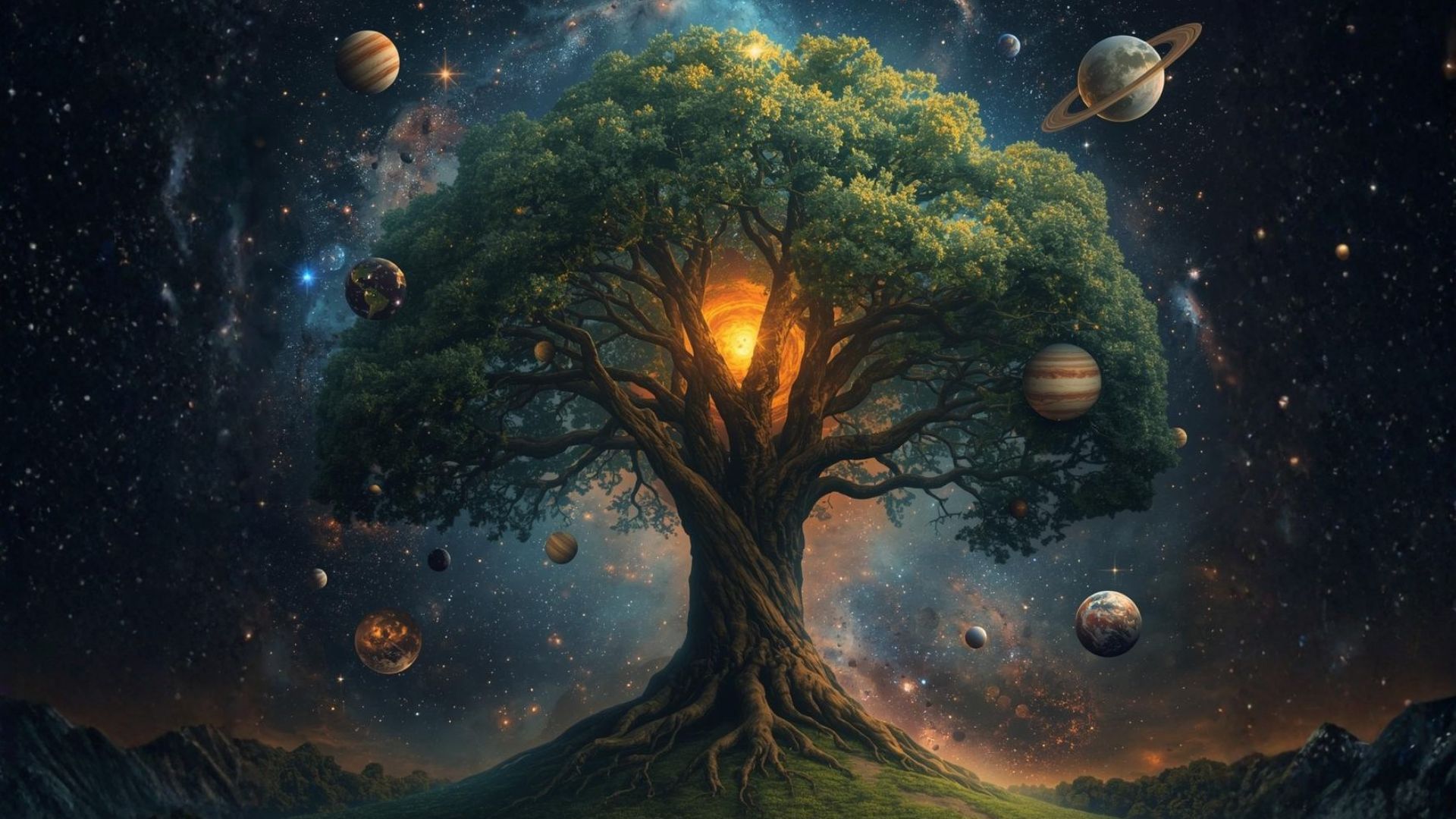
To understand why the Prophet Muhammad (peace and blessings be upon him) is the essential teacher of the universe, we must look at the relationship between a tree and its fruit. In the Risale-i Nur, Bediuzzaman Said Nursi often uses the analogy of the Universe Tree. If we imagine the entire cosmos, with all its galaxies, elements, and life forms, as a single and magnificent tree, we must ask what its ultimate aim is. A tree is planted for the sake of its fruit; the fruit contains the meaning, the essence, and the condensed map of the entire tree.
The Prophet is described as the most comprehensive fruit of this cosmic tree. Just as the tiny seed of a fruit contains the program for the entire tree, and the fruit itself is the most refined and purposeful part of that tree, the Prophet is the human being who most perfectly mirrors the Divine Names and attributes that the rest of the universe only hints at. While a flower reflects the Name The Beautiful and a star reflects the Name The Majestic, the Prophet, through his character and his worship, reflects the Greatest Name. He is the one who understands the language of the entire tree because his own nature is the most perfect expression of the Creator’s intent.
This perspective shifts how we view the Prophet’s role. He is not just a historical figure who brought a set of rules; he is the prototype of humanity and a primary reason for creation. The Risale-i Nur teaches that the Creator looked at the potential for such a Perfect Man, one who could fully appreciate, thank, and love Him, and created the universe as an arena for that potential to be realized. Therefore, when we listen to the Prophet, we are listening to the one who truly knows the house because he is its most honored and insightful guest. He teaches us how to move from being mere branches on the tree to becoming fruits ourselves, beings who carry the meaning of the whole’s within our own souls.