
Part 2: The Practice of Gratitude
If true gratitude begins with recognizing the Giver, it is completed through our response. The Risale-i Nur explains that shukr is not a passive, fleeting emotion or a simple, verbal “thank you.” It is an active, comprehensive, and continuous practice that must involve our entire being. It is a state of being that must be reflected in our heart, our words, and, most importantly, our actions. This comprehensive response is, in fact, described as the very purpose of our creation and the most “profitable” trade we can make.

It must, of course, begin in the heart. This is the core: a deep, internal acknowledgment that every atom of our existence and every blessing we enjoy is a direct gift from God. It is to feel our profound neediness (fakr) before Him and to attribute all good to Him alone, seeing His Mercy in the sweetness of water and His Beauty in the color of a flower. This inner state of recognition and humility then naturally seeks expression, which is the gratitude of the tongue. When we say Alhamdulillah (“All praise and thanks are for God”), we are not just uttering a ritual phrase. We are verbally affirming the profound conclusion our heart has already reached, reinforcing that truth for ourselves and proclaiming it to the world.
However, the truest and most essential dimension of gratitude is shown through our body and our actions. This is the living proof of our inner state. The Risale-i Nur defines this as using God’s gifts in accordance with the purpose for which He gave them. This is where gratitude becomes a way of life and the very opposite of wastefulness (israf). Any act that uses a gift for a purpose other than its intended one, or in a way that implies discontent, is a form of ingratitude. This ingratitude (kufran-i ni’met) is described as a “sickness” or a “lie,” because it practically denies the Giver’s intention.
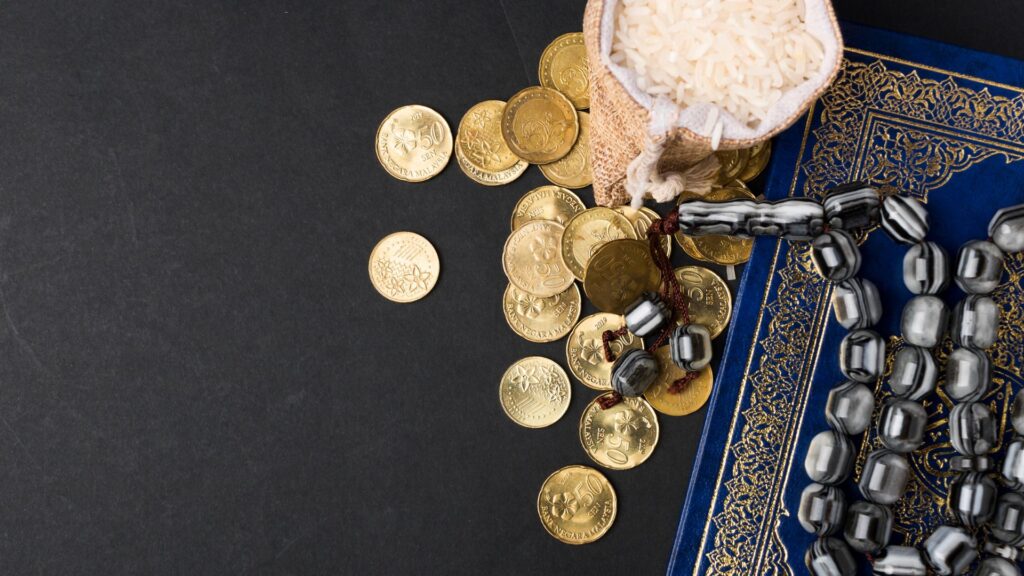
What does this “active gratitude” look like? The gratitude for eyesight is not just to say “thank you for my eyes,” but to use them as the Creator intended: to read the “book of the universe,” to see the wonders of His Art, and to lower our gaze from what displeases Him. The gratitude for intellect is to use it to ponder the Creator and His Signs, not to build philosophies of denial. The gratitude for wealth is to recognize it as a trust, not a personal possession, and to use it as He intended, by sharing it with those in need through charity. Even the gratitude for our stomach is to fill it with lawful provisions and to pause before being full, recognizing its purpose is sustenance, not gluttony.
This path is not a burden; it is the key to true contentment. The person who complains sees everything as a torment. But the one who is grateful sees the entire universe as a palace of wonders. In this way, our entire existence is elevated. Eating, working, seeing, and thinking are all transformed from mundane routines into a continuous, beautiful act of worship, fulfilling our highest purpose.