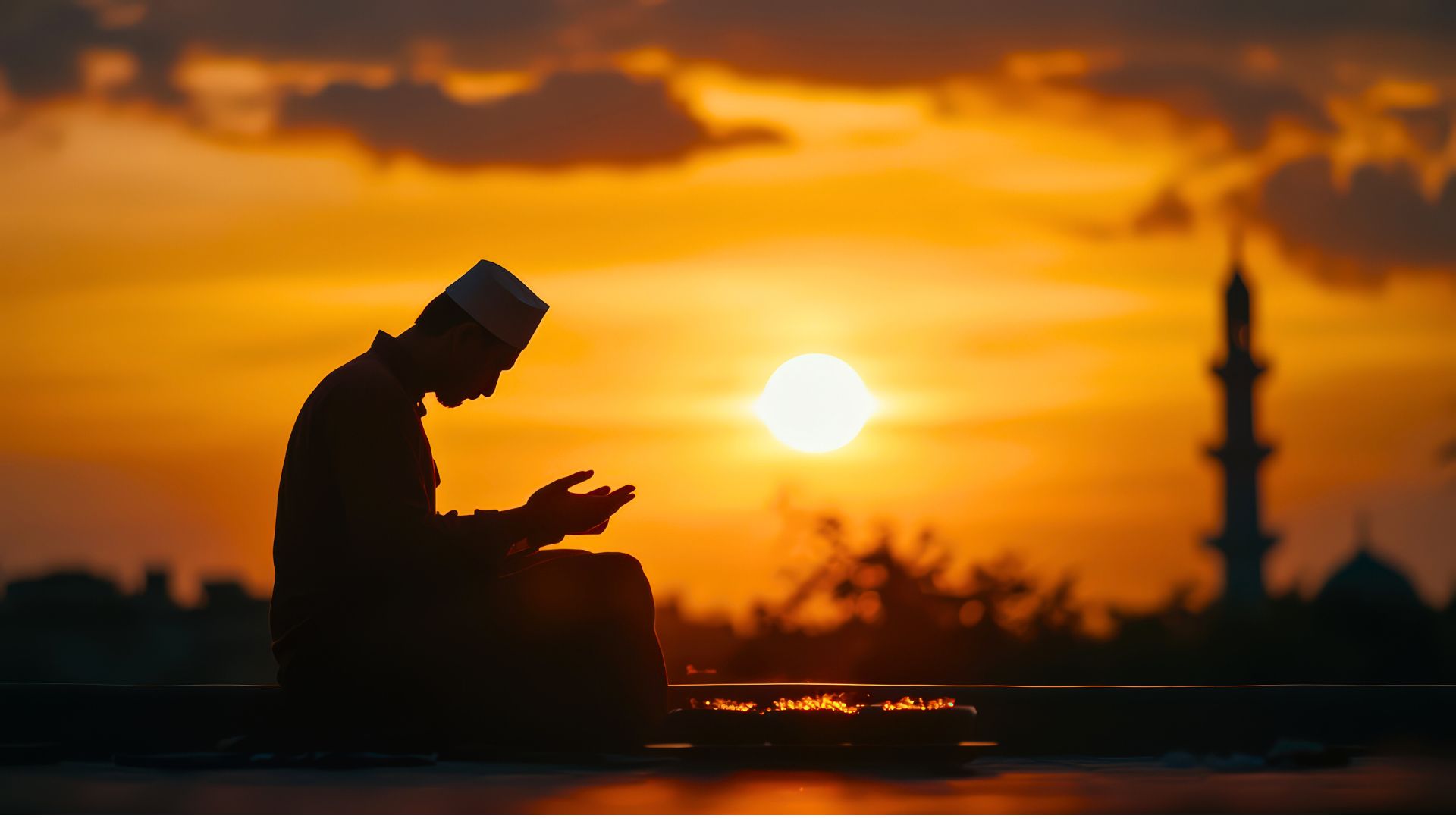
Modern society is built on the principle of instant gratification. We are constantly encouraged to follow every impulse and satisfy every desire the moment it arises. This culture of “unlimited freedom” often leads to a hardening of the soul and a dangerous strengthening of the ego (the nafs). The ego, when left unchecked, begins to believe its own myth of independence. It acts as though it were its own master, accountable to no one. Ramadan, however, provides a much-needed and transformative “pause” in this cycle of self-indulgence. Fasting acts as a rigorous training ground for the human soul, teaching it the vital lesson that it is not free and independent, but is instead a servant of a higher Will.
Bediuzzaman Said Nursi explains that the human soul, by its very nature, tends to forget its inherent weakness and poverty. When the body is satiated and comfortable, the ego becomes arrogant. It forgets that its health, its strength, and even its existence are on loan. But when the stomach is empty, the heart finds it much easier to listen. Fasting humbles the soul by stripping away its pretenses. A person who may be wealthy, powerful, or influential suddenly finds themselves weak and vulnerable because of a few hours without water. This experience is a “slap” to the ego’s pride, reminding it of its total and absolute dependence on the Sustainer of all things.
This humility is not a sign of defeat; rather, it is the key to true spiritual strength. By mastering our physical hunger through Divine command, we gain the internal discipline required to master our moral and ethical choices throughout the rest of the year. If a person can refrain from cold water in the heat of the day simply because God has forbidden it, they develop the spiritual “muscle” to refrain from lying, backbiting, or anger when those temptations arise. Ramadan is essentially a month-long workshop in character building.
Moreover, this “schooling” of the self allows our higher spiritual faculties to flourish. When the lower self is quieted, the spirit becomes more sensitive to Divine light. We find that we are more patient with our families, more focused in our prayers, and more attuned to the subtle meanings in the Qur’an. The discipline of the fast clarifies the “mirror” of our heart. Normally, the mirror of the heart is covered by the “steam” of physical desires and worldly distractions. Fasting wipes that mirror clean, allowing it to reflect the Divine Names, such as The Patient, The Compassionate, and The Holy, more clearly.
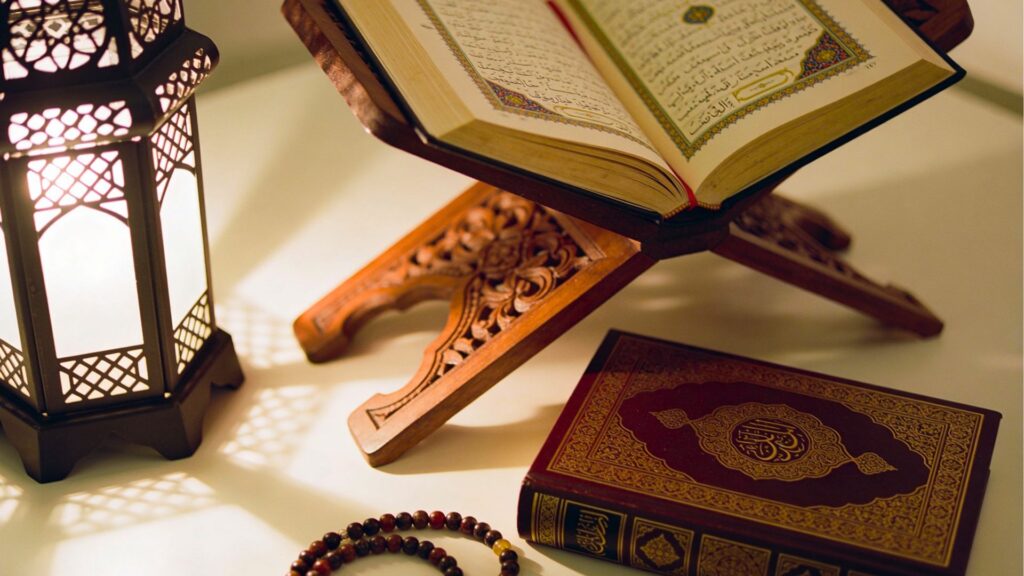
Finally, Ramadan teaches us that we are not the masters of our own bodies, but rather trustees. Our bodies are beautiful and delicate vessels entrusted to us by our Creator. By following the rules of the fast, we learn to treat this trust with respect and intentionality. We learn that true freedom is not the ability to follow every animalistic impulse, but the ability to align our will with the Divine Will. By the end of the month, the soul has learned to find its true satisfaction not in the consumption of physical goods, but in the nearness of its Creator and the refinement of its own nature. We emerge from the school of Ramadan not just hungrier for food, but thirstier for the Divine Presence.