
We currently live in a world that often feels like a house of universal mourning. Despite the advances of modern civilization, society is frequently fractured by conflict, inequality, and a deep-seated sense of injustice. To understand why this is, we must look at the training society receives. This month’s From the Source feature, the Twelfth Word, Third Principle, provides a staggering diagnosis of the difference between human-centered philosophy and Qur’anic wisdom.
Modern philosophy, when disconnected from Divine guidance, accepts force as its point of support in social life. It assumes that might is right and that the goal of social interaction is personal benefit. When self-interest becomes the primary motive, the inevitable result is conflict and jostling and tussling for limited resources. To bind these competing interests together, philosophy often resorts to negative nationalism or racialism, which thrives by devouring others. This is the architecture of a society built on sand; it creates a false happiness for a tiny minority while leaving the majority in distress. It leads to aggression and the negation of human happiness.
In stark contrast, the teacher of the book provides a blueprint for a society built on truth. In this school, right is in power, and the aim is not self-interest, but virtue and God’s pleasure. Instead of conflict, the primary law of life is mutual assistance. This is not a utopian dream, but a principle observed throughout the natural world, where everything from the sun to the soil hastens to help one another at the Divine command. While philosophy promotes rivalry, Qur’anic wisdom promotes solidarity and accord. It seeks to satisfy high emotions rather than base appetites.
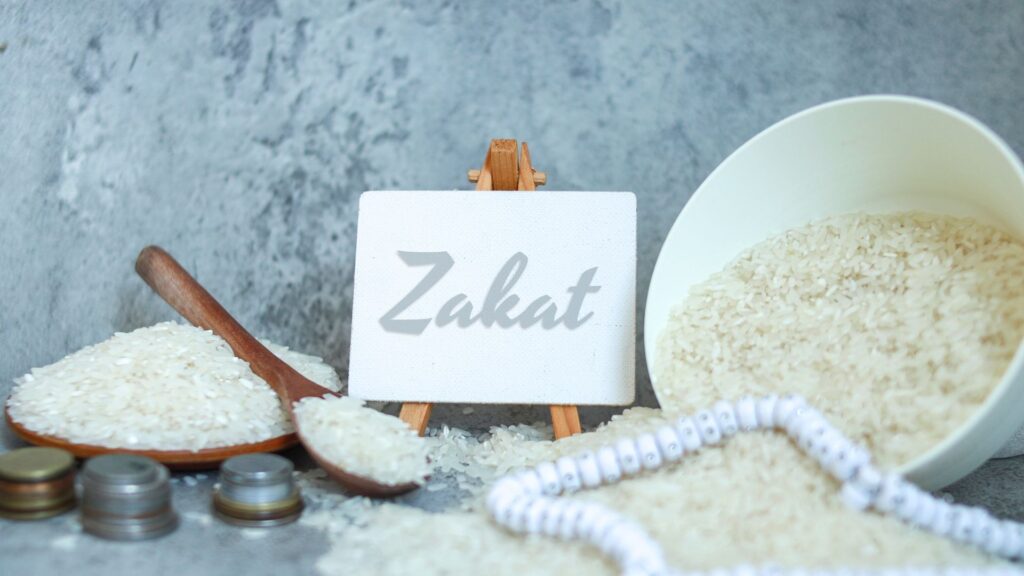
The Qur’an provides the talisman to heal the two greatest wounds in human social life: the phrases “So long as I’m full, what is it to me if others die of hunger?” and “You work so that I can eat.” These phrases are the seeds of all modern revolutions and social anarchy. The first phrase leads to a lack of compassion among the wealthy, while the second lead to hatred and envy among the poor. The Shari’a heals the first through the pillar of Zakat, which requires the rich to support the poor. It heals the second by the prohibition of usury and interest, which prevents the exploitation of labor by capital.
By re-enrolling in the school of the Teacher, we move away from the genius of materialist science, which is blind in one eye and sees only the physical world. Materialist genius looks only at the surface of things and fosters greed and ingratitude. It sees the bounties of the earth as ownerless booty to be snatched up. In contrast, guidance looks at the world with two eyes. It sees the physical world and the spiritual purpose behind it. It recognizes that every bounty is a gift from a merciful hand and responds with gratitude and respect.
A society built on force will always be unstable. It requires constant policing and severe punishments to keep the peace. But a society built on truth is governed from within. When a person believes they are being watched by an all-seeing Creator, they do not need an external guard to behave with justice and virtue. They become a true human being. They rein in their soul and free their spirit to pursue perfection. This inner discipline is the only true foundation for a lasting civilization.
As we share in the source material provided in this issue, let us reflect on how we can implement these diamond pillars of the Shari’a to build a society defined by brotherhood, solidarity, and lasting peace. We must replace negative nationalism with the brotherhood of belief. We must replace the struggle for survival with the principle of mutual assistance. By following the teacher, we transform human society from a battlefield of competing egos into a garden of mutual attraction and Divine mercy.