A Heart’s True Reward: A Story of Sincerity in the Sacred Heart of Mecca
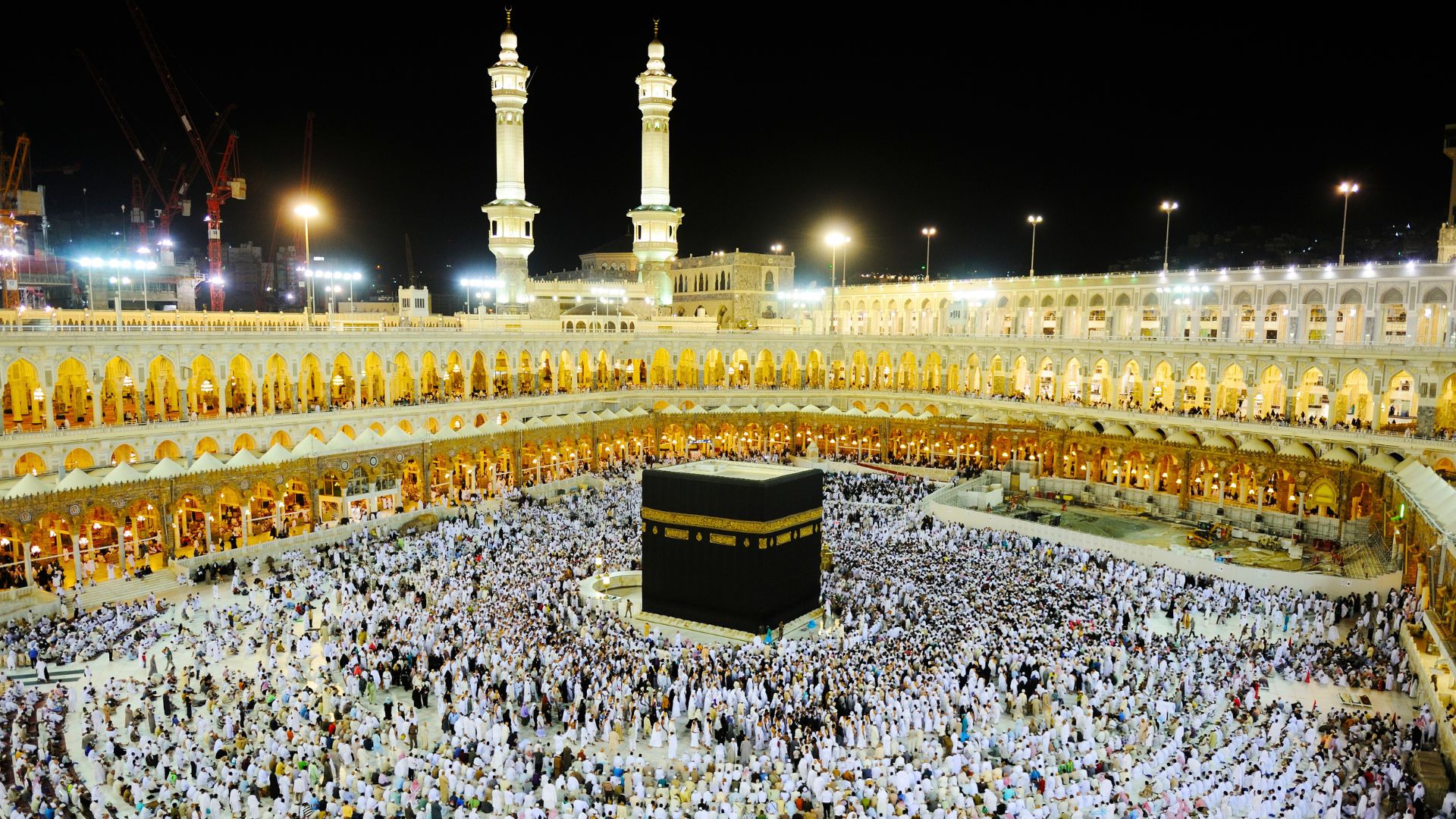
The magnificent Kaaba complex in Mecca, a beacon for Muslims worldwide, is meticulously maintained and served by a vast dedicated workforce. Many of these individuals are recruited from various Asian countries, bringing their skills and faith to uphold the sanctity and functionality of Islam’s holiest site. Their presence is a testament to the global nature of service to the Haram.
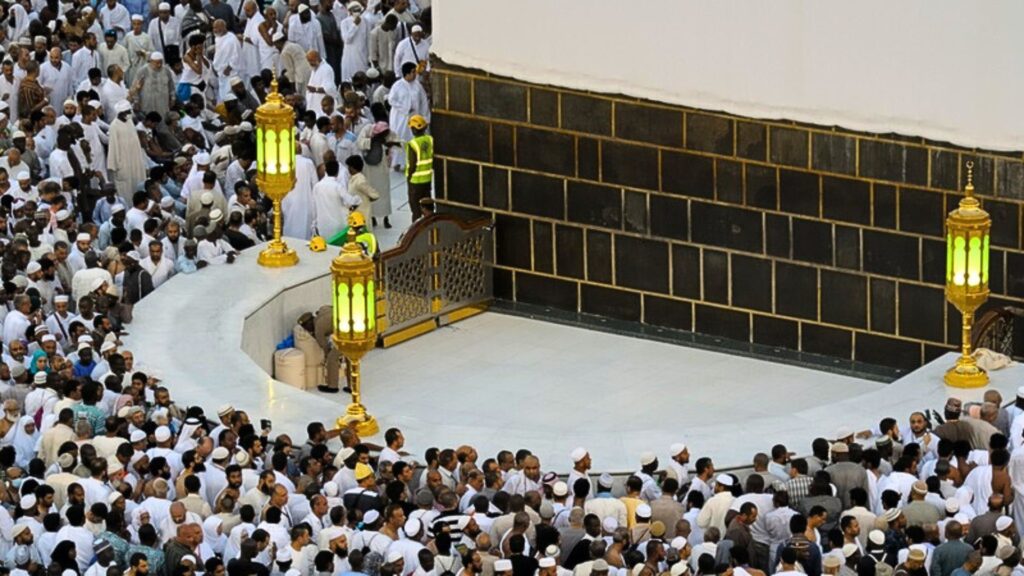
Recently, amidst this diverse workforce, a poignant story unfolded, illuminating the profound essence of sincere devotion. A Pakistani worker, recognized for his exceptional dedication within the Masjid al-Haram, was honored as the “Best Worker of the Month.” When offered a financial reward for his exemplary service, his response was a powerful demonstration of his priorities: he humbly declined the monetary prize. Instead, he made a singular request: the profound privilege of being allowed to pray inside Hijr Ismail.
Hijr Ismail, also known as Hateem, is the revered semi-circular space adjacent to the Kaaba and is a place where prayers are believed to be especially heard, a tangible symbol of closeness to the Divine presence. For this worker, the ultimate reward was not material gain, but an opportunity for deeper spiritual communion. His silent prayer in that hallowed space moved hearts, radiating a powerful light of spiritual longing.
“O God, let the love of You, and the yearning to be near You, be more beloved to me than all else in this world. Do not let my heart cling to what distances me from You. Guide it always toward Your light, Your mercy, and Your closeness.”
This beautiful narrative stands as a vivid example of sincerity (ikhlas), a core principle emphasized in Islamic teachings, including the Risale-i Nur. For those familiar with the Risale-i Nur’s profound insights, this worker’s action perfectly illustrates how genuine devotion elevates one’s spirit beyond worldly attachments, leading to true fulfillment in the pursuit of divine pleasure. His choice highlights that the purest reward lies in the heart’s yearning for its Creator, rather than in transient earthly possessions.
In a world often swayed by material incentives, the story of this dedicated worker in the Haramvoffers a profound reminder to us all. It encourages us to reflect on our own intentions and to cultivate a heart that, like his, prioritizes divine love and closeness above all else. His humble prayer in Hijr Ismail remains a luminous example of how a sincere heart finds its greatest reward in drawing nearer to God.